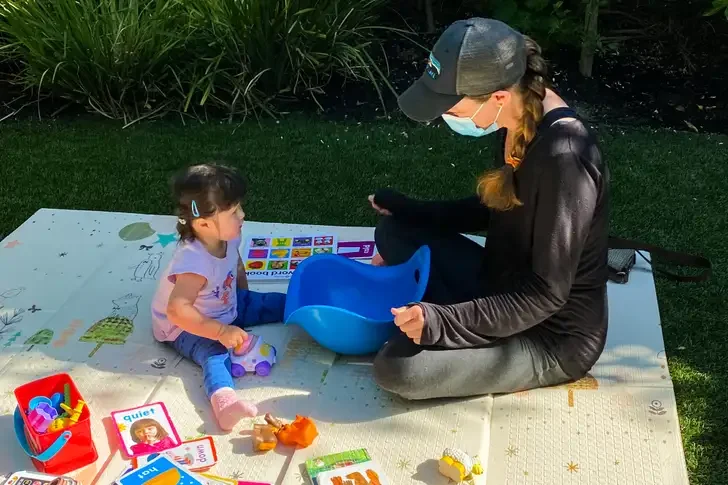
When my daughter began receiving early intervention therapy in 2018, I discovered that most of the “tools” used by developmental specialists were not obscure medical devices for “special needs” kids — but everyday toys and items with benefits for any child.
In 2020, I contacted a Wirecutter editor about making this type of information — too often confined to doctors’ and therapists’ offices — accessible to their millions of readers.
I’ve been a contributor ever since — which I count among my proudest journalistic achievements, as a longtime Wirecutter reader and fan!
I’ve also consulted on dozens of product entries and guides, to help broaden the language and frameworks to be more inclusive of kids with disabilities, particularly when it comes to recommended uses and age ranges.
Here are a few of my stand-alone Wirecutter guides. I’m currently drumming up new ways to share more resources, more frequently.
Stay tuned!
The Best Dolls
Dolls can be a powerful tool for broadening a child’s notion of what — really, who — is familiar and “acceptable.”
Parents Cross The Street To Ask Me About This Stroller
When kids with disabilities grow too big to fit in a standard stroller, parents encounter a maddeningly empty marketplace in which it is difficult to find even one acceptable option.
These First Toys For Kids With Disabilities Have Universal Appeal
After dozens of appointments with specialists; hundreds of hours in physical therapy, occupational therapy, and speech and language therapy; and seven years of trial and error, I’m sharing some favorite toys, games, and gear.